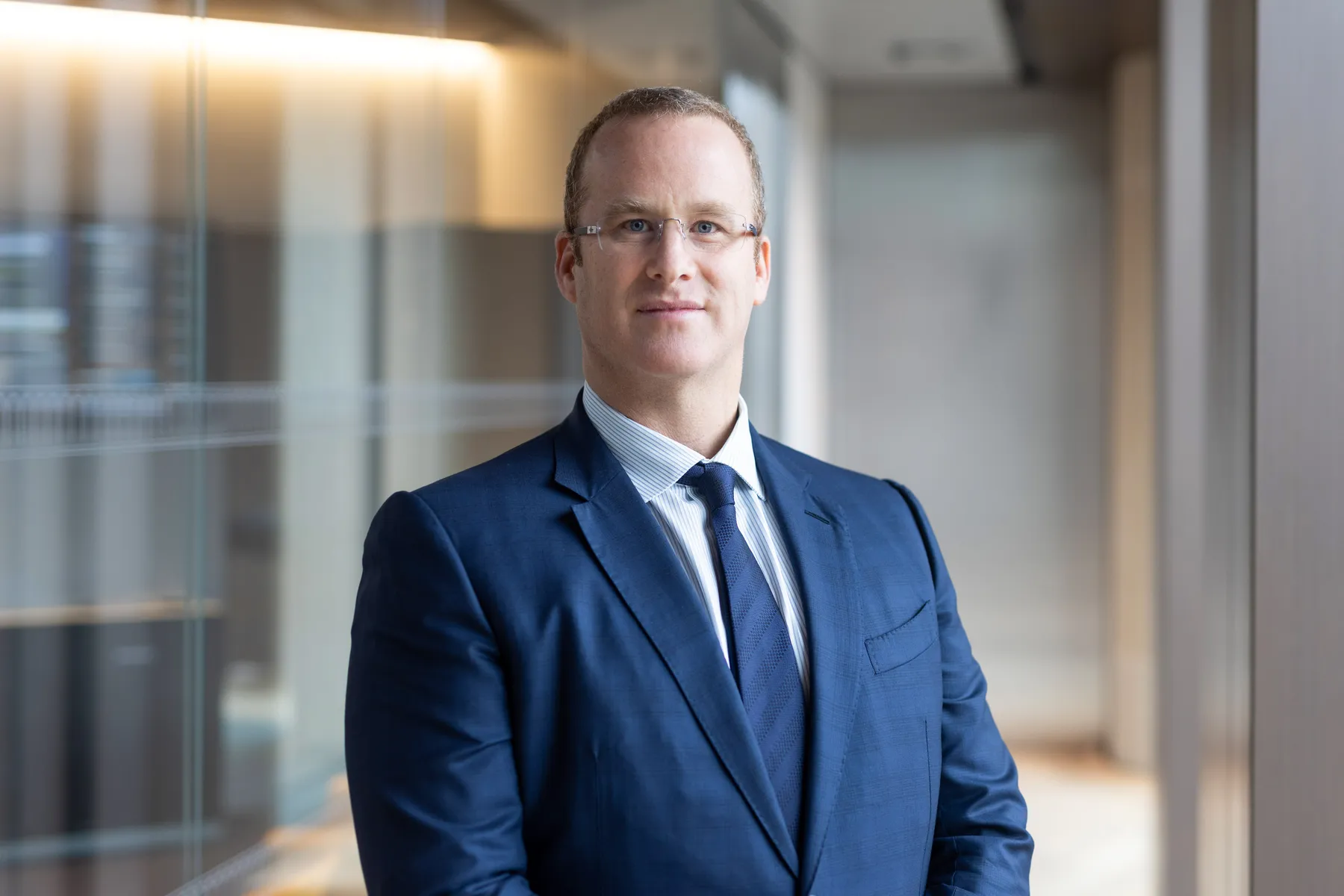
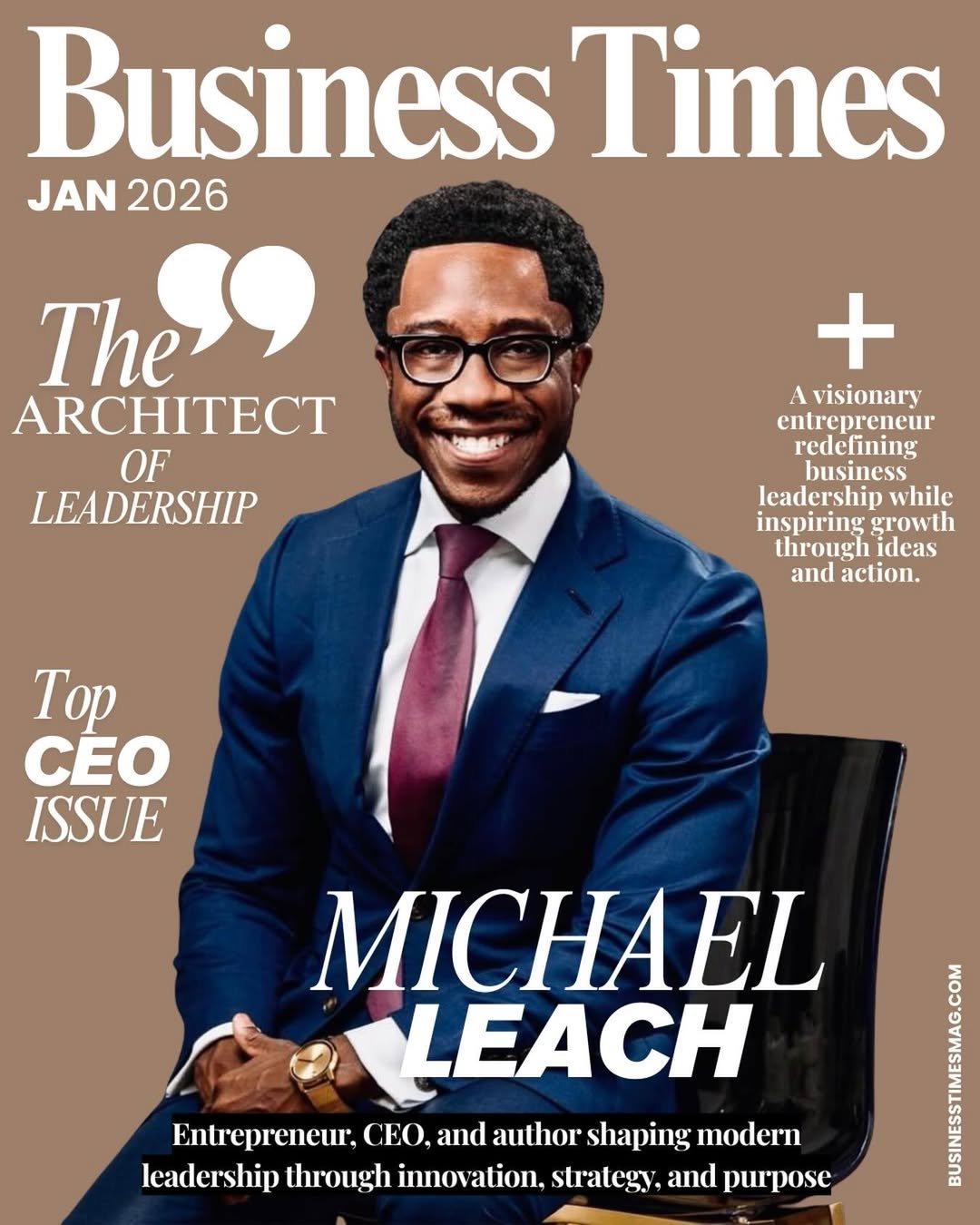
In the evolving landscape of modern leadership, few individuals embody the balance of vision, innovation, and purpose as effectively as Michael Leach. An entrepreneur, CEO, and acclaimed author, Leach has built a career defined by the architecture of leadership—an approach that blends strategic thinking with meaningful action to create lasting impact in business and society.
Through his work in entrepreneurship, publishing, and public service, he represents a new generation of leaders dedicated not only to driving success but also to shaping a more inclusive and forward-thinking vision for the future of leadership.
A Visionary in Modern Business Leadership
Michael Leach’s professional journey reflects a commitment to redefining how leadership operates in today’s complex business environment. As a CEO and entrepreneur, he emphasizes clarity of vision, disciplined execution, and the ability to translate ideas into real-world solutions.
His leadership philosophy focuses on building organizations that are not only successful but also purposeful. By integrating strategic insight with practical action, Leach has established himself as a voice advocating for leadership models that prioritize innovation, collaboration, and adaptability.
In a business world increasingly shaped by rapid technological change and evolving societal expectations, his perspective emphasizes that leadership must evolve beyond traditional frameworks to remain effective.
Influence Through Writing and Publishing
Beyond the corporate arena, Michael Leach has extended his influence through authorship and thought leadership. His work as a published author with HarperOne—an imprint known for publishing influential works in leadership, philosophy, and cultural insight—reflects his dedication to sharing ideas that inspire meaningful transformation.
Through his writing, Leach explores themes related to leadership development, strategic thinking, and the power of ideas to drive progress. His work invites readers to reconsider how leadership can be practiced in ways that foster innovation, ethical responsibility, and long-term value.
His literary representation by Buchwald further highlights his position as a respected voice within the broader conversation on leadership and cultural influence.
Breaking Barriers in Public Leadership
One of the most historic milestones in Michael Leach’s career came with his groundbreaking role within the United States government. He made history as the first-ever Chief Diversity Officer at the The White House, marking a significant moment in the evolution of leadership and representation at the highest levels of governance.
In this role, Leach contributed to shaping policies and frameworks designed to strengthen inclusive leadership and promote diversity within governmental structures. His work emphasized the importance of ensuring that leadership environments reflect the diversity of the communities they serve.
By introducing new approaches to inclusive leadership at the White House, Leach helped set a precedent for how institutions can incorporate diversity and equity into strategic decision-making processes.
The Architecture of Leadership
A defining concept associated with Michael Leach’s philosophy is what can be described as the “architecture of leadership.” This approach views leadership not as a singular act of authority but as a carefully constructed framework that integrates ideas, strategy, culture, and execution.
Within this framework, leaders are responsible for designing environments where innovation can thrive, diverse perspectives are valued, and long-term goals are pursued with discipline and integrity.
Leach’s perspective highlights that leadership is ultimately about building systems that empower people and organizations to achieve their highest potential.
A Continuing Impact on the Future of Leadership
As industries and institutions adapt to the demands of a rapidly changing world, leaders who combine vision with purposeful action are increasingly shaping the direction of modern organizations.
Michael Leach’s career illustrates how entrepreneurship, public service, and thought leadership can intersect to create a broader influence on society. By championing inclusive leadership, encouraging innovative thinking, and sharing ideas through writing and public engagement, he continues to contribute to the evolution of leadership in the twenty-first century.
In an era defined by complexity and transformation, his work serves as a reminder that the most effective leaders are those who design not only successful organizations but also inclusive systems that empower future generations.
Through vision, strategy, and action, Michael Leach continues to demonstrate that leadership—when thoughtfully constructed—can become a powerful force for innovation, inclusion, and lasting change.
Post Views: 1,634