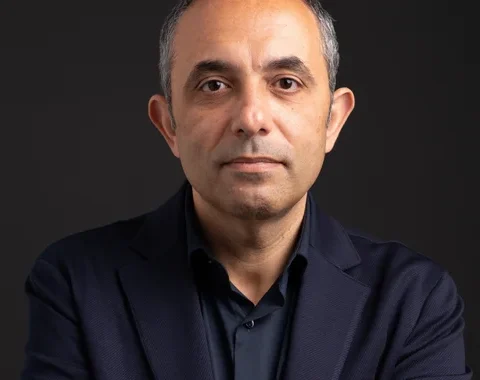







In his new memoir Streetwise, the former Wall Street titan reflects on leadership, legacy and life beyond the corner office

Soon after stepping down as chief executive of Goldman Sachs, Lloyd Blankfein began writing — not for the markets, not for shareholders, but for his family.
The former Wall Street heavyweight, who led Goldman through the global financial crisis and one of the most turbulent periods in modern finance, started drafting a memoir that traced his journey from the housing projects of East New York, Brooklyn, to the pinnacle of global banking power.
He completed roughly a quarter of the manuscript before stopping one evening — and didn’t return to it for four years.
A Story Meant for His Children
Blankfein has said his original motivation was deeply personal. He wanted to explain himself to his children — to give context to a career that demanded relentless hours and enormous responsibility.
“I began writing as a catharsis,” he reflected.
The years he spent navigating market meltdowns, regulatory scrutiny and global scrutiny came at a cost. Like many executives at the top of demanding industries, Blankfein acknowledges that he missed precious time with his family while they were growing up.
The result of that long-paused reflection is Streetwise: Getting to and Through Goldman Sachs, a memoir set for release on March 3. In it, Blankfein revisits not only boardroom battles and financial crises but also the personal sacrifices that accompanied his rise.

Missing the Role — But Not All of It
Blankfein has admitted that he occasionally misses being CEO — especially during periods of market upheaval. Crisis management was, in many ways, his arena. Steering Goldman Sachs through the 2008 financial crisis cemented his reputation as one of Wall Street’s most resilient and strategic leaders.
There is a particular clarity that comes with leading in turbulent times: decisions are urgent, stakes are high, and purpose is unmistakable. For Blankfein, those moments brought focus and intensity that defined his tenure.
But outside of crisis, the demands of the role were constant. The pressure never fully subsided. And in retirement, perspective has sharpened.
From East New York to Wall Street
Blankfein’s journey is a classic American ascent story — from modest beginnings in Brooklyn’s East New York neighborhood to the commanding heights of global finance. That trajectory informs much of his memoir, which blends personal narrative with institutional history.
His upbringing, shaped by grit and ambition, laid the foundation for a career defined by strategic thinking and disciplined execution. Goldman Sachs became not just his employer, but the institution through which he navigated global economic transformation.
A Legacy in Reflection
Now removed from daily market swings and earnings calls, Blankfein’s reflections carry a different tone — less defensive, more introspective.
Streetwise is not only a chronicle of financial leadership but an attempt at reconciliation: with public perception, with history and, most importantly, with family.
While he may miss the adrenaline of leading during a market storm, Blankfein’s latest chapter suggests something deeper — a recognition that success is measured not only in balance sheets, but in the stories we leave behind.