






As global energy markets face renewed volatility, Indonesia has made a decisive policy choice: maintain subsidized fuel prices to protect economic growth and preserve social stability. Despite surging oil prices fueled by geopolitical tensions, the government has opted against raising domestic fuel costs, warning that such a move could trigger inflation, weaken economic momentum, and risk widespread public unrest.
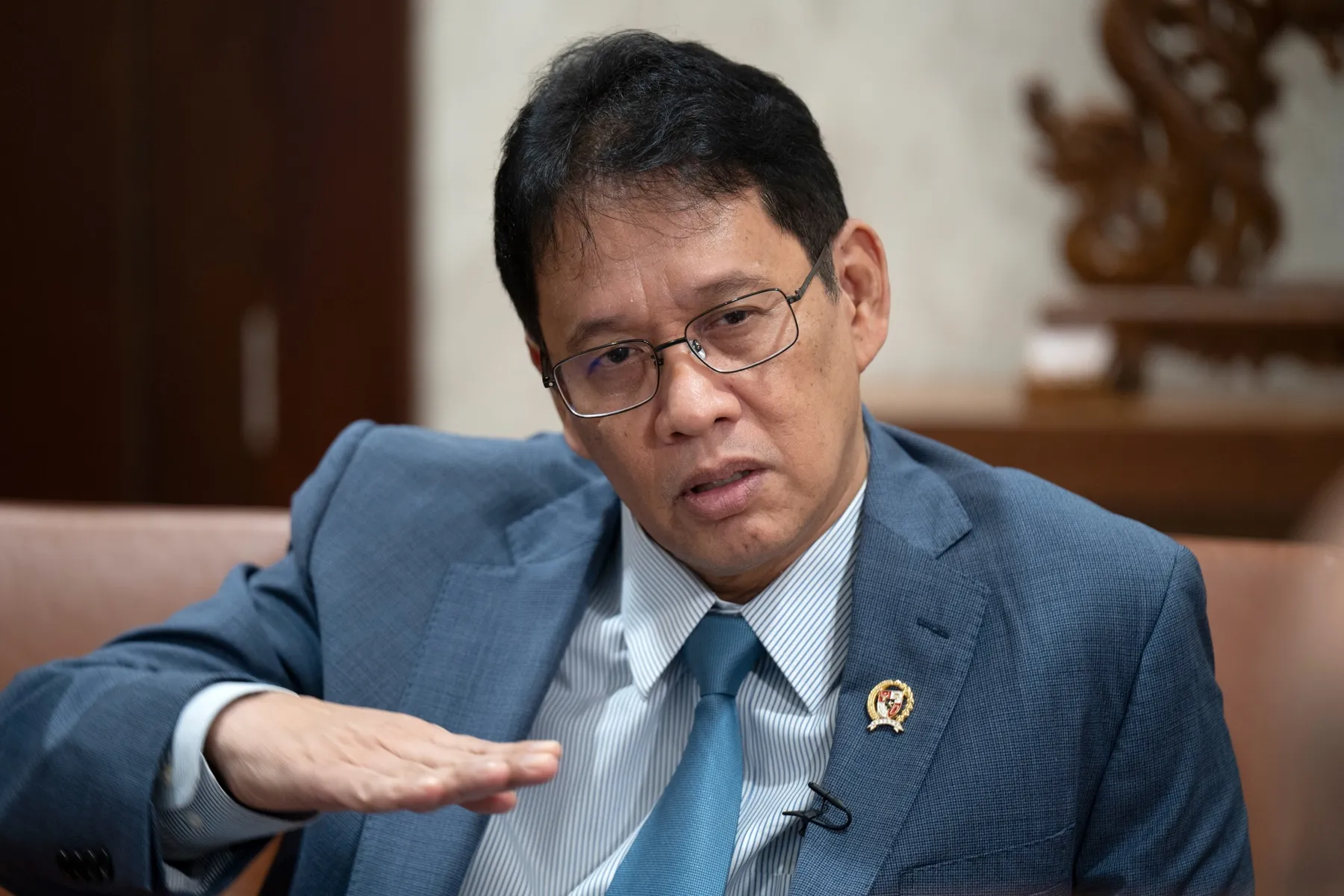
In an exclusive interview, Purbaya Yudhi Sadewa, Indonesia’s finance minister, outlined the government’s strategy to absorb the financial pressure from rising energy costs while keeping the national budget deficit within legal limits.
Prioritizing Stability Over Price Adjustments
The surge in global crude oil prices—driven in part by geopolitical tensions surrounding the Iran conflict—has pushed benchmark prices above $100 per barrel. While many nations have responded by adjusting domestic fuel prices, Indonesia is taking a different approach.
According to Purbaya, eliminating or reducing fuel subsidies at this moment would significantly increase inflation and raise borrowing costs across the economy.
“If we remove the subsidies, inflation will increase, the cost of capital will increase,” he explained. “There will be more protests on the streets, which will lower economic growth quite significantly. It’s a very risky policy.”
Instead, the government’s strategy focuses on maintaining stable fuel prices to support consumer purchasing power and protect household spending—an essential pillar of Indonesia’s economy, where domestic consumption accounts for more than half of gross domestic product.

Fiscal Adjustments to Offset Rising Costs
To manage the financial impact of higher oil prices, the government plans to rely on a series of fiscal adjustments rather than altering subsidy policy.
Among the key measures is a broad 10% reduction in ministry spending, targeting expenses considered less productive, including excessive travel and hotel-based meetings. According to Purbaya, these efficiency measures will allow the government to redirect resources without slowing economic activity.
Overall budget savings could eventually reach 190 trillion rupiah (approximately $11.2 billion). These funds will help offset the increasing cost of fuel subsidies while ensuring that the country’s budget deficit remains within the legal ceiling of about 2.9% of GDP—a threshold closely watched by global investors and credit rating agencies.
New Revenue Streams Through Export Taxes
In addition to spending cuts, the government is also exploring new revenue mechanisms. One major proposal is the introduction of export taxes on coal and possibly nickel, two of Indonesia’s most valuable natural resources.
The coal export tax is expected to be implemented within the year. While it will help increase government revenue, Purbaya emphasized that the policy also aims to reduce under-invoicing of exports—a practice that can lead to significant financial leakage.
Indonesia is one of the world’s largest exporters of both coal and nickel, making these resources a crucial source of fiscal strength for the country.
Utilizing Financial Reserves as a Safety Net
If oil prices remain elevated for an extended period, the government also has the option of drawing from its fiscal reserve fund known as Saldo Anggaran Lebih (SAL). This reserve—currently valued at roughly 420 trillion rupiah—acts as a financial buffer that can be deployed during economic shocks.
In the past, the government has already used SAL to support economic activity. Last year, approximately 200 trillion rupiah was distributed to state-owned banks to encourage lending and stimulate investment.
This reserve system provides Indonesia with additional flexibility to maintain economic stability without resorting to unpopular subsidy cuts.
Balancing Growth and Fiscal Discipline
Despite the pressure from rising oil prices, Indonesian authorities remain optimistic about the country’s economic outlook.
Purbaya estimates that the economy expanded by between 5.5% and 5.7% in the first quarter of the year, with full-year growth expected to reach around 6%—a pace that would represent the fastest expansion in more than a decade.
Maintaining strong growth, he argues, is essential not only for economic performance but also for social stability. Rising employment and improving public confidence are seen as key factors in preventing the kind of unrest that has challenged governments in the past.
Long-Term Strategy: Transitioning to Alternative Energy
While fuel subsidies remain politically sensitive in the short term, Indonesia is also preparing for a gradual transition toward alternative energy sources.
One major initiative involves expanding biodiesel production by increasing the proportion of palm oil used in fuel blends. This strategy leverages Indonesia’s position as the world’s largest palm oil producer while reducing reliance on imported fossil fuels.
At the same time, the government is accelerating plans to expand solar power capacity. Officials are aiming to develop up to 100 gigawatts of solar energy, largely through village-scale systems designed to support rural electrification and reduce diesel consumption.
Purbaya stressed that this transition will take time and must be implemented gradually to remain practical and sustainable.
Navigating a Complex Global Environment
Indonesia’s decision to preserve fuel subsidies highlights the delicate balancing act faced by emerging economies in a volatile global environment. Governments must simultaneously manage inflation, maintain fiscal credibility, and protect household purchasing power.
By combining targeted spending cuts, new revenue measures, and strategic use of financial reserves, Indonesia is attempting to maintain economic stability while shielding citizens from the immediate impact of global energy shocks.
For Southeast Asia’s largest economy, the challenge lies not only in navigating today’s oil price volatility but also in building a resilient energy system capable of supporting long-term growth.
Through careful policy choices and a gradual shift toward renewable energy, Indonesia is positioning itself to manage both immediate economic pressures and the broader transformation of the global energy landscape.